
Do you need replacement windows? 7 Signs your windows are failing
  • NexGen Windows

    Do you need replacement windows? 7 Signs your windows are failing

    If you can feel a draught with the windows shut, see misting between the panes, or your heating bills keep climbing without explanation, your windows are almost certainly the problem. In this blog, we’ll discuss the 7 signs that indicate your windows are failing.

If you can feel a draught with the windows shut, see misting between the panes, or your heating bills keep climbing without explanation, your windows are almost certainly the problem. In this blog, we’ll discuss the 7 signs that indicate your windows are failing.

Email: This email address is being protected from spambots. You need JavaScript enabled to view it.

Telephone: 0800 121 4930

How long should windows last?

Most double glazing installed in UK homes have a working lifespan of 15 to 20 years before performance starts to drop. After that point, seals begin to fail, condensation appears, and the insulation your glazing once provided quietly disappears. Older units, even those that were good quality when fitted, will lack features now standard on modern glazing, for example, low-emissivity (low-E) glass coatings, argon gas-filled cavities, and warm-edge spacer bars that slow heat transfer at the edge of each pane. If your windows were installed before 2005, there is a strong chance they no longer perform to anything close to current building regulations.

1. You can feel a draught with the window closed

A draught through a shut window is one of the clearest signs of seal or frame failure. Cold air enters where gaskets have hardened and shrunk, where frames have distorted slightly, or where the sealant between the frame and the brickwork has cracked and pulled away. Run the back of your hand slowly around the inner perimeter of each closed window on a cold day. Any movement of air is a problem.

2. Misting or condensation between the panes
This is the most visible sign of glazed unit failure, and it is one most homeowners will recognise. Condensation trapped between the two panes of glass means the sealed unit has failed. Moisture has entered the cavity, the desiccant material inside the spacer bar has become saturated, and no amount of wiping or ventilation will clear it.

3. Your energy bills are rising without explanation
Heating bills go up for many reasons, but if your costs have crept up year on year and your usage habits have not changed, deteriorating glazing is a likely contributor. Windows account for a considerable amount of a typical home's heat loss, with the majority of that coming through radiation across inefficient glass surfaces, and the remainder through air leakage at frames and seals. When windows fail, heat escapes.

4. Noise is getting in more than it used to
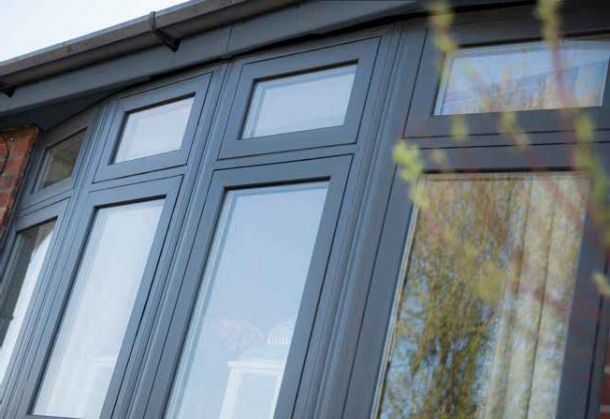
Modern double glazing reduces external noise by creating a sealed, gas-filled cavity that dampens sound transmission. If road noise, neighbouring properties, or general outdoor sound is noticeably more intrusive than it once was, this points to seal degradation. The acoustic performance of a sealed unit depends on that cavity being intact. When it fails, sound passes through more easily.

5. Frames that are warped, cracked, or difficult to operate

A window that sticks, jams, or will not close flush is a safety and security issue as much as a comfort one. uPVC frames can distort over time under repeated thermal expansion and contraction cycles. Timber frames exposed to moisture may swell or rot. Aluminium frames can corrode or lose their thermal break integrity. A window that cannot be secured properly also presents an obvious vulnerability from a home security perspective, something no homeowner in Swindon or anywhere else should leave unaddressed.

6. Visible damage to frames or glass

Chips, cracks, surface crazing on uPVC, softness or discolouration on timber, and flaking on older aluminium frames are not just cosmetic problems. Structural deterioration in a frame compromises the window's ability to hold its sealed unit correctly and maintain a weathertight seal against the surrounding brickwork.

7. Your windows are over 20 years old

Even if you cannot spot any of the signs above, age alone is a reliable predictor of declining performance in glazed units. The rubber gaskets, sealants, and spacer bar materials used in windows installed in the early 2000s or before were produced to standards that have since been significantly improved. Units from this era also pre-date the widespread adoption of low-E glass coatings and warm-edge spacer technology. These are now standard features on quality double and triple glazing, and they make a measurable difference to both thermal and acoustic performance. A 20-year-old unit in visually acceptable condition may still be delivering far below what a modern equivalent would.

Unit replacement vs full window replacement: what is the difference?
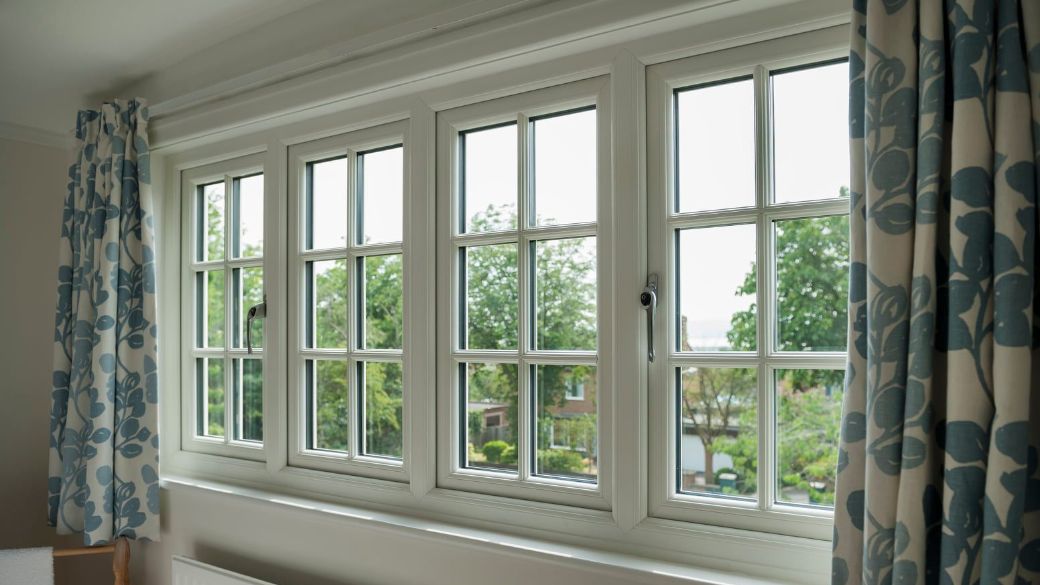
Replacing just the sealed glass unit is an option when the frame itself is structurally sound and the profile is compatible with modern sealed units. It is less disruptive and typically less expensive than a full replacement. It makes sense for relatively newer frames where only the glass cavity has failed.

Full window replacement, removing the existing frame and installing a new unit into the opening, is the right route when frames are warped, damaged, or no longer compatible with current glazing specifications. It is also the better long-term investment if your windows are approaching or past the 20-year mark, since new frames come with a fresh guarantee covering both frame and glass performance.

At NexGen, all new installations come with an insurance-backed 10-year guarantee. The disruption is typically minimal: a whole-house replacement for a standard semi-detached property is usually completed in one to two days.

Does the type of replacement window matter for Swindon homes?

Swindon's housing stock is dominated by solid brick and cavity wall construction built across several decades from the 1950s onwards. This matters because the performance of a replacement window depends partly on how well it is integrated into the surrounding wall opening. A correctly specified and fitted frame that sits flush and is properly sealed to the brickwork is as important as the glazing spec itself.

Swindon's climate, colder winters than southern coastal areas, with periods of persistent wind and rain through autumn, makes draught resistance and condensation management particularly relevant. A window that performs adequately in a sheltered location may not hold up as well when exposed to a typical Wiltshire winter without quality installation.

NexGen's range of window styles includes uPVC casement, flush, sliding sash, tilt-and-turn, and heritage options across aluminium, uPVC, and timber-effect profiles. Every installation is carried out by our in-house team, with no subcontracting, to the same standard the company owners would expect in their own homes.

At NexGen Windows, we offer a completely free, no-obligation survey and quote with no hard selling, you can discuss your requirements directly with the business owners. Visit the showroom at Clive Parade, Swindon SN2 1AJ, call us on 01793 977 030 or contact the team online to arrange a home visit.

NexGen Windows & Doors

Double Glazed Windows Swindon | Doors | Conservatory

Email Direct

This email address is being protected from spambots. You need JavaScript enabled to view it.

Speak to us

Telephone: 01793 977030

Social Media


Nexgen Windows Limited is an Introducer Appointed Representative (Financial Services Register No. 936655) of Phoenix Financial Consultants Limited (Phoenix). Phoenix is a credit broker, not a lender. Phoenix is authorised and regulated by the Financial Conduct Authority (FRN: 539195), and offers finance from its panel of lenders. All finance subject to status and credit checks.