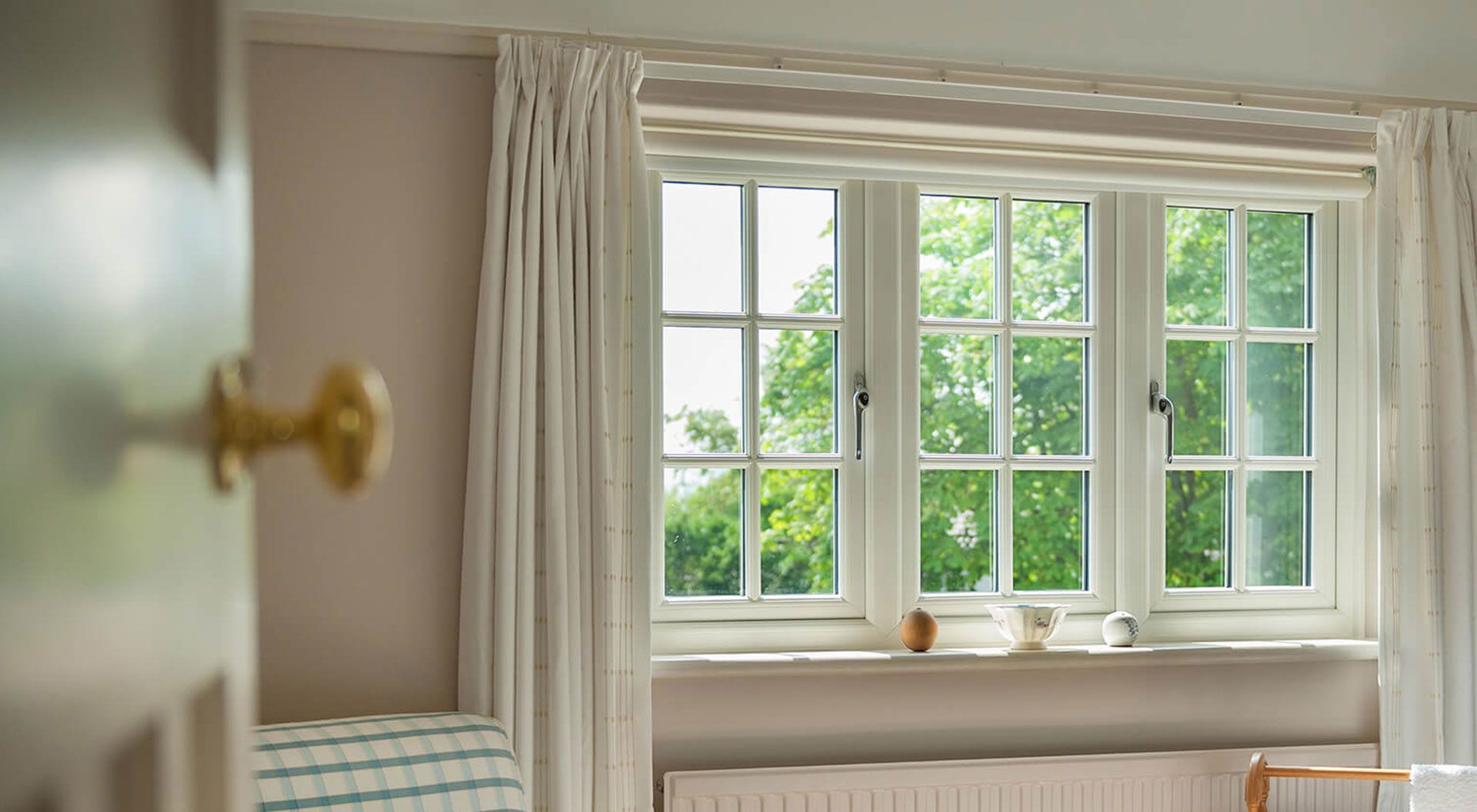
What is the difference between a sash window and a casement window?
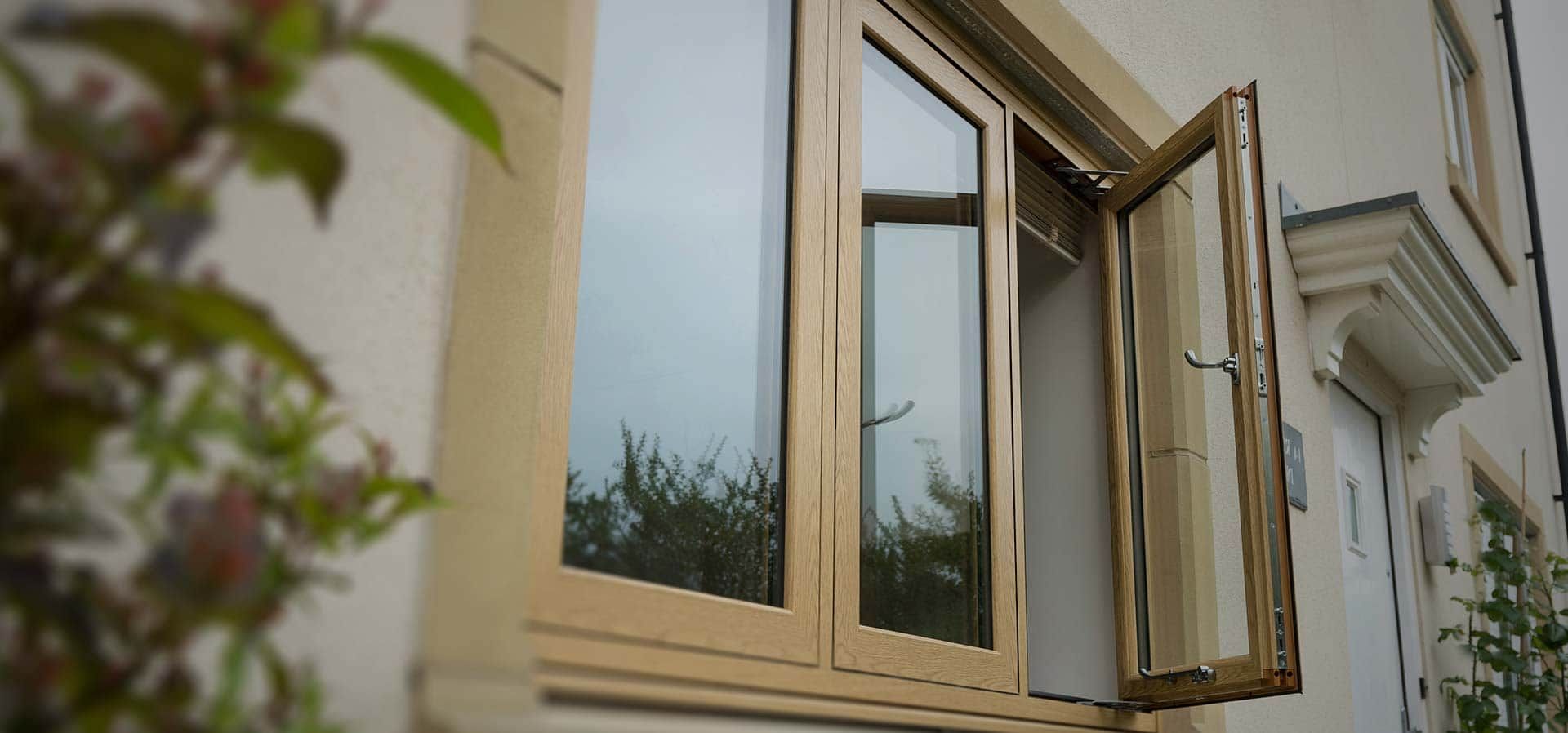
Sash windows consist of two panels called sashes that slide vertically within the frame. The upper and lower sash can each move independently, giving you precise control over airflow from both the top and the bottom of the opening at the same time. This double-hung arrangement creates a natural convection effect: cool air enters through the lower sash while warm air escapes through the upper one, all without the window projecting outward at all.
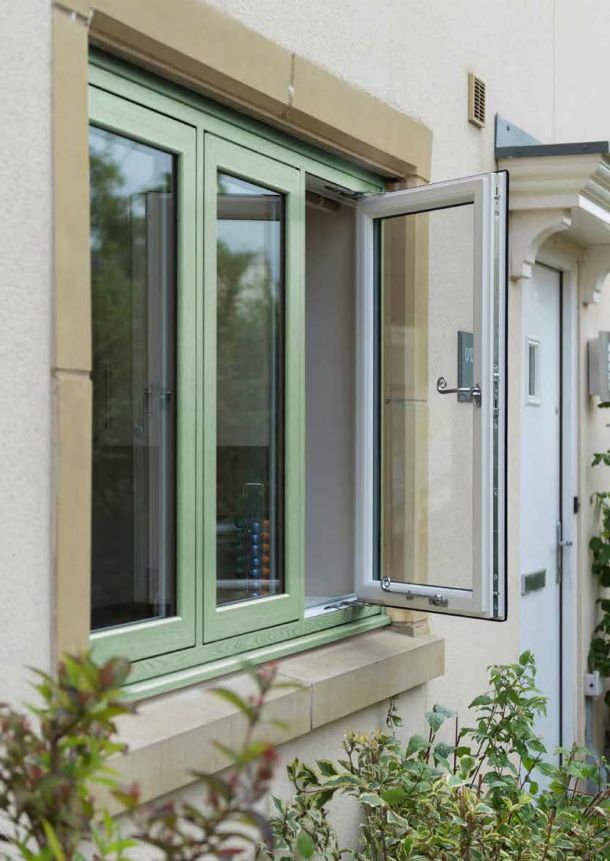
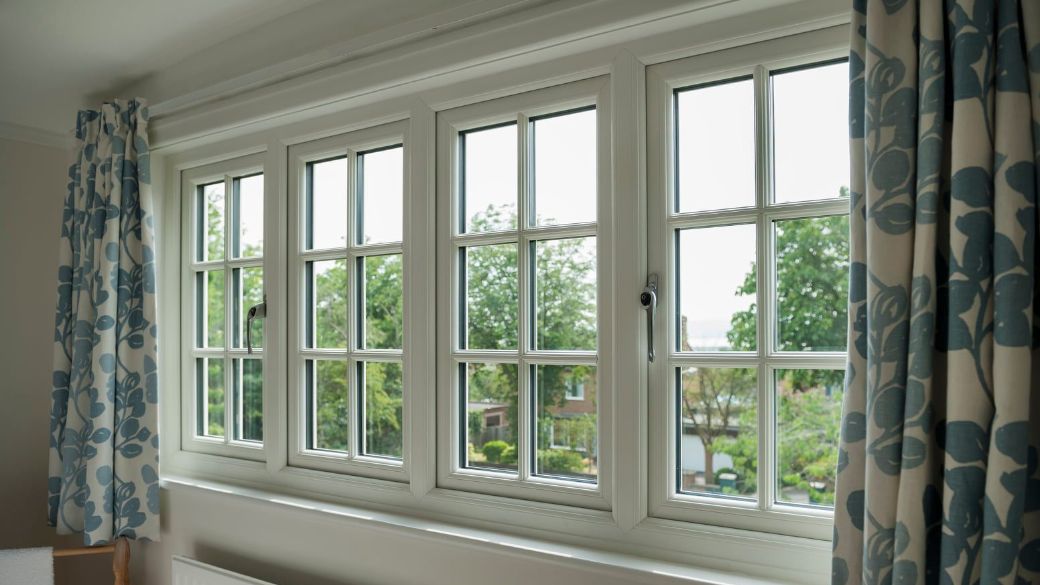
Casement windows are hinged at the side and swing outward like a door. They open fully, which lets in more air volume in one go. The hinges and compression seal mean casements close tightly against the frame, which helps with weatherproofing. Both styles are available in uPVC or aluminium and both accept double or triple glazing. The difference is almost entirely about how they operate, how they look on the outside of your home, and how they interact with any planning or conservation rules that apply to your street.
How each style performs: a side-by-side comparison
|
Professional, premium & passionate about our windows and doors. Get a wonderful new look for your home!
Sash windows were the defining feature of the Victorian era.
Casement windows, by contrast, are associated with earlier Tudor architecture and with modern builds. Fitting them to a Victorian terrace can look incongruous, and on a conservation street it may require prior approval from the local authority. If your home is listed, you will almost certainly need consent regardless of window style — speak to Swindon Borough Council's planning department before committing to any replacement.
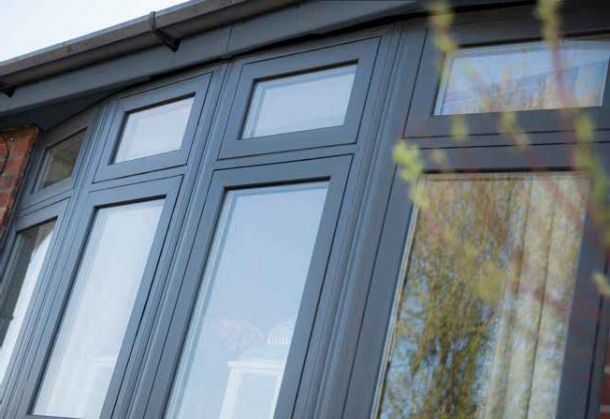
If there are no planning restrictions on your property, casements are a perfectly valid choice. They cost less to supply and fit, require slightly less maintenance because there are fewer moving parts, and when closed they form a tight seal that performs well thermally. For a Victorian home where budget is the priority and appearance rules are relaxed, a flush casement in a heritage colour can look considered rather than jarring.
Double glazing, insulation and heat loss
Older single glazed timber sash windows are one of the main sources of heat loss in period homes. Draughty frames, rattling panes, and degraded putty all contribute to cold rooms and high heating bills. Replacing them whether with a double-glazed sash or a double-glazed casement makes a dramatic difference.
Modern double-glazed sash windows use insulated uPVC profiles and sealed glass units to deliver energy ratings that simply were not possible with the original timber versions. Both sash and casement windows, when properly installed with quality double glazing, will significantly reduce heat loss and noise compared to what most Swindon period homes currently have.
The marginal thermal difference between the two styles is small enough that glazing specification matters more than window type. A high-spec double-glazed sash will outperform a budget casement. At NexGen Windows, our double-glazed windows come with a standard double-glazed unit and can be upgraded to triple glazing for even greater thermal and acoustic performance, a worthwhile step for front-facing rooms on busy Swindon roads.
Security
Both window styles can be fitted with modern multi-point locking and accredited hardware. Casements typically use compression seals and multi-point locking as standard, which makes forcing them open from outside harder. Sash windows require careful joinery and the right locking specification to match that level of security, but properly fitted double-glazed sashes with dedicated sash locks perform well. At NexGen, all our windows are installed with top-quality locks and the latest security features as standard.
uPVC sash windows: the best of both worlds for period homes
For most owners of Victorian homes in Swindon, the ideal answer to the sash windows vs casement debate is a quality uPVC sliding sash. You get:
- The authentic period look — run-through sash horns, deep bottom rails, and astragal bar options replicate original timber detailing convincingly
- The performance of modern double glazing — draught-free, thermally efficient, and far quieter than single-glazed originals
- Low ongoing maintenance — no painting, no rot, no swelling frames in damp weather
- Conservation area compatibility — a well-specified uPVC sash is far more likely to satisfy planning guidance than a casement
Our casement windows are also available in uPVC and aluminium for homeowners whose properties suit that style, with the same 10-year guarantee and the option to upgrade to triple glazing.
Talk to NexGen Windows about replacing your Swindon sash or casement windows
NexGen Windows is based in Swindon and has installed double-glazed windows across period terraces and modern homes throughout the area, including Chippenham, Cirencester, Marlborough and beyond. Whether you want a like-for-like sliding sash replacement or are considering casements for a rear extension or modern room addition, our team will give you straightforward advice and a free, no-obligation quote.
Get your free quote today or call us on 01793 977030 to find out more.
NexGen Windows & Doors
Double Glazed Windows Swindon | Doors | Conservatory
Nexgen Windows Limited is an Introducer Appointed Representative (Financial Services Register No. 936655) of Phoenix Financial Consultants Limited (Phoenix). Phoenix is a credit broker, not a lender. Phoenix is authorised and regulated by the Financial Conduct Authority (FRN: 539195), and offers finance from its panel of lenders. All finance subject to status and credit checks.