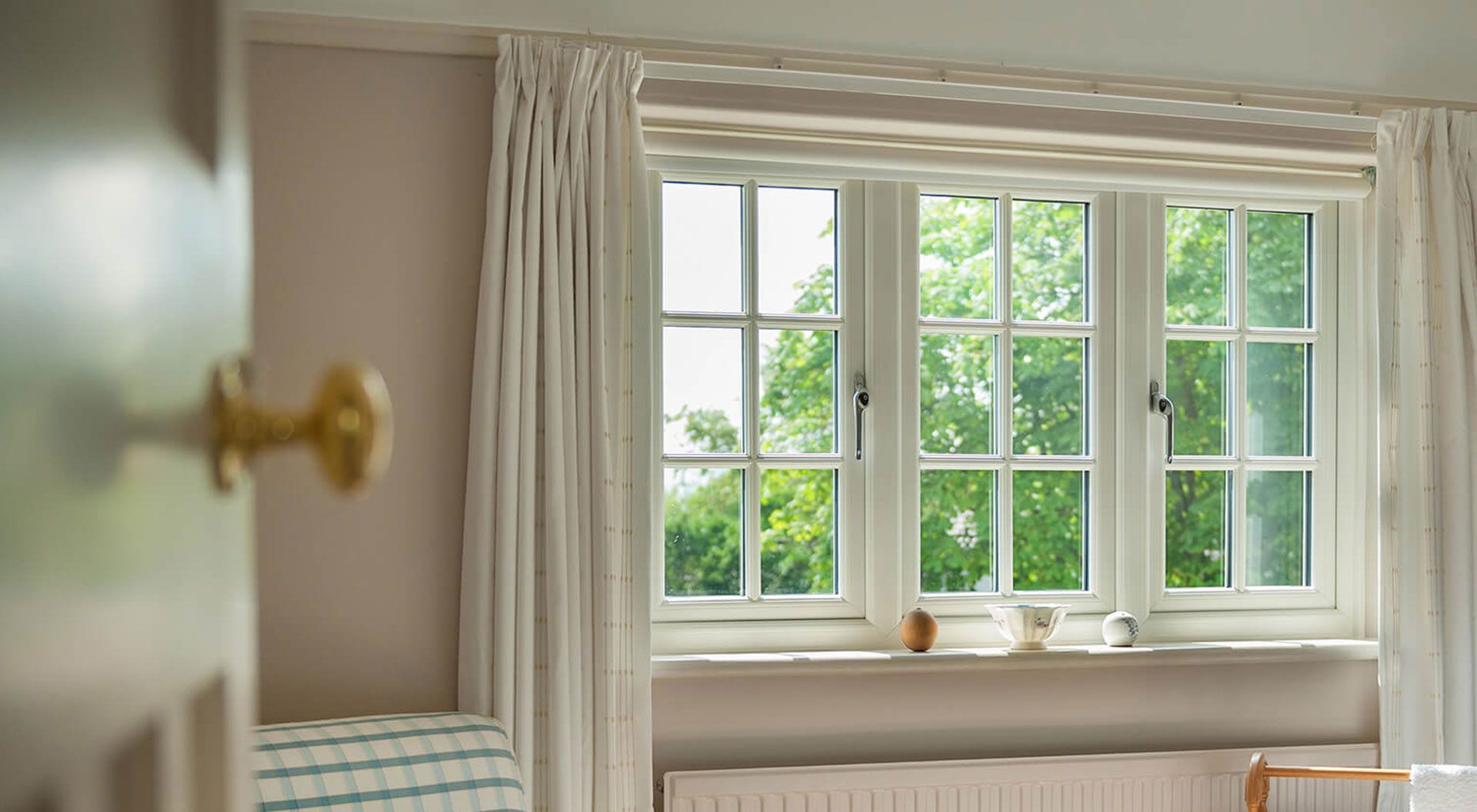
What are casement windows?
Casement windows are the most common window style in the UK. They are hinged at the side and open outwards, giving them excellent ventilation and a clean, practical design. The defining feature of a standard casement is its lipped frame, the sash overlaps the outer frame slightly, which helps with weather sealing and makes them straightforward to manufacture. This is why they are generally the more affordable of the two styles. At NexGen, our casement windows are available in uPVC and aluminium, with a choice of colours, glazing options and hardware to suit modern and traditional homes alike.
Key features of casement windows:- Side-hinged, opening outward
- Lipped sash sits proud of the frame
- Wide range of styles and colours
- Typically lower cost than flush
- Suitable for most property types
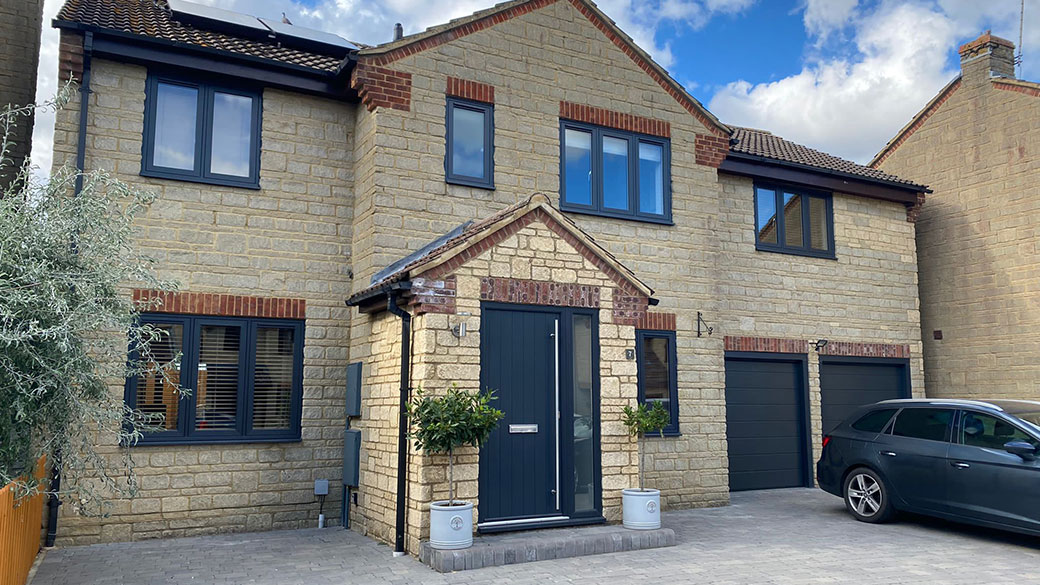
What are flush windows?
Flush windows are designed so the sash closes flush with the outer frame. There is no lip, no overhang; the entire face of the window sits on one level. This detail is what gives flush windows their distinctive, clean look. It mirrors the appearance of traditional timber windows, which is why they are popular in conservation areas, on listed buildings, and on period properties where modern lipped casements would look out of place.
That same quality also makes them a favourite on contemporary new builds, where the flush face creates a sharp, architectural finish. Our flush windows at NexGen use the R7 system, a 7-chamber uPVC profile that delivers A+ rated energy efficiency alongside the authentic timber-style sightlines homeowners are looking for.
Key features of flush windows:- Sash closes flat and level with the frame
- No lipped edge - smooth, seamless face
- Suits period properties, conservation areas and modern builds
- Higher-end aesthetic, typically at a premium cost
- Available with a wide choice of colours and glazing bead styles
Which window style looks better?
This comes down to the property. Casement windows are a clean, neutral style that looks at home on the vast majority of UK properties, from 1930s semis to newer estates. They work because they do not draw attention to themselves; they frame the view and let the architecture speak.
Flush windows are more distinctive. The seamless face is what makes them stand out, and that can work in two directions:
- On older or period homes, they read as sympathetic and traditional, close to the original timber windows the property would have had
- On modern homes, they deliver a crisp, minimal look that suits contemporary design
Which should you choose?
If you are still unsure, our team at NexGen Windows is happy to advise. We install both styles across Swindon, Chippenham, Cirencester, Gloucester and the surrounding areas. Contact us or book a free quote and we will help you find the right window for your home.
NexGen Windows & Doors
Double Glazed Windows Swindon | Doors | Conservatory
Nexgen Windows Limited is an Introducer Appointed Representative (Financial Services Register No. 936655) of Phoenix Financial Consultants Limited (Phoenix). Phoenix is a credit broker, not a lender. Phoenix is authorised and regulated by the Financial Conduct Authority (FRN: 539195), and offers finance from its panel of lenders. All finance subject to status and credit checks.