
What is a uPVC door?
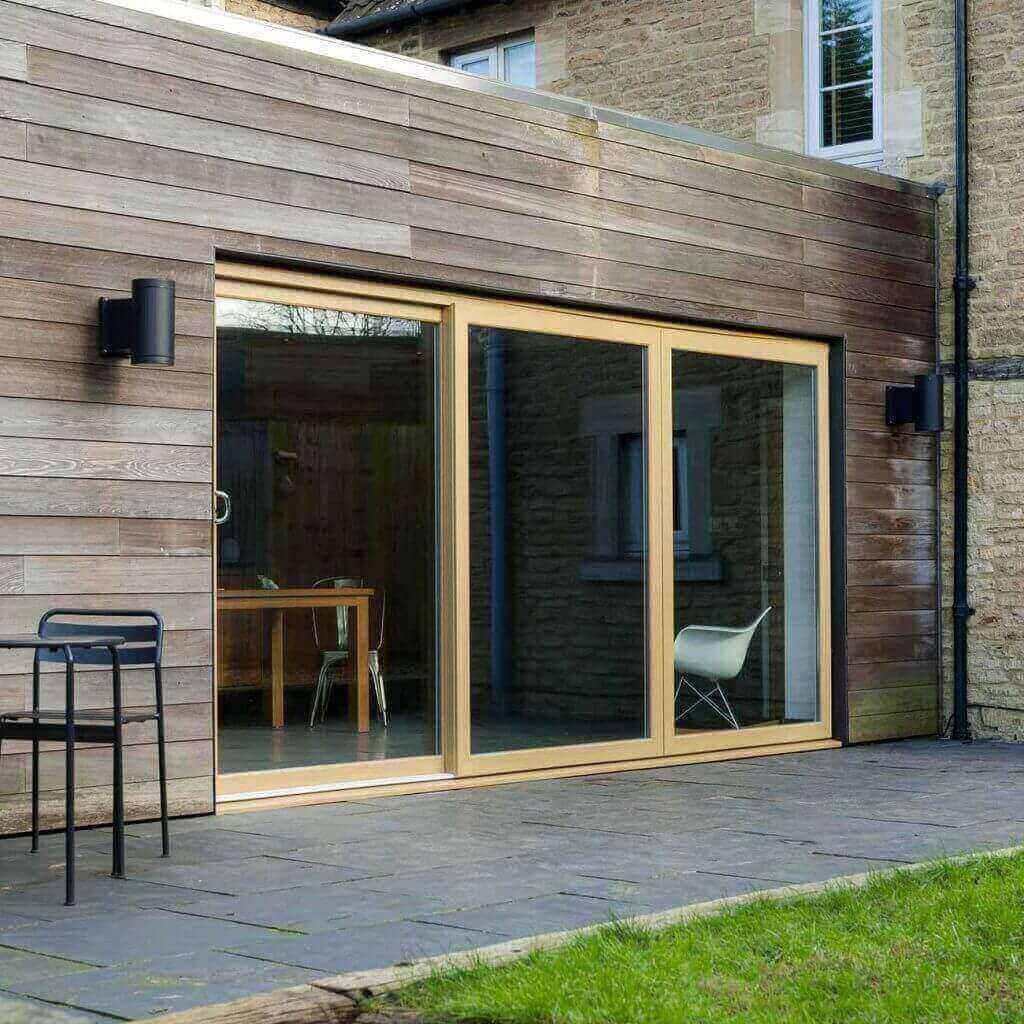
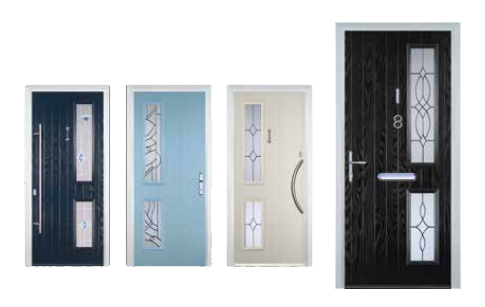
uPVC stands for unplasticised polyvinyl chloride, a rigid plastic commonly used to manufacture doors and windows. Modern uPVC doors are a practical, low-maintenance choice for homeowners looking for an affordable replacement door. Our PVC door brochure showcases a variety of styles, colour options and decorative glass panels. You can also explore our uPVC windows to find a design that complements your new door.
The benefits and cons of uPVC
- Cost: A uPVC door generally has a lower upfront cost than a composite door.
- Low maintenance: An occasional wipe with a damp cloth and warm soapy water is usually sufficient.
- Design options: A range of styles and finishes suits traditional homes and modern homes.
- Thermal efficiency: The panel's construction helps insulate your home, although performance depends on the full specification.
- Thermal expansion: uPVC can expand and contract as temperatures change, making correct installation and operation important.
What is a composite door?
The benefits of composite doors
- Security: Solidor doors include Avantis multi-point locking and a high-security cylinder as standard.
- Design: Choose from a wide range of styles, colours, glazing and hardware.
- Maintenance: The outer skins do not need regular painting or varnishing.
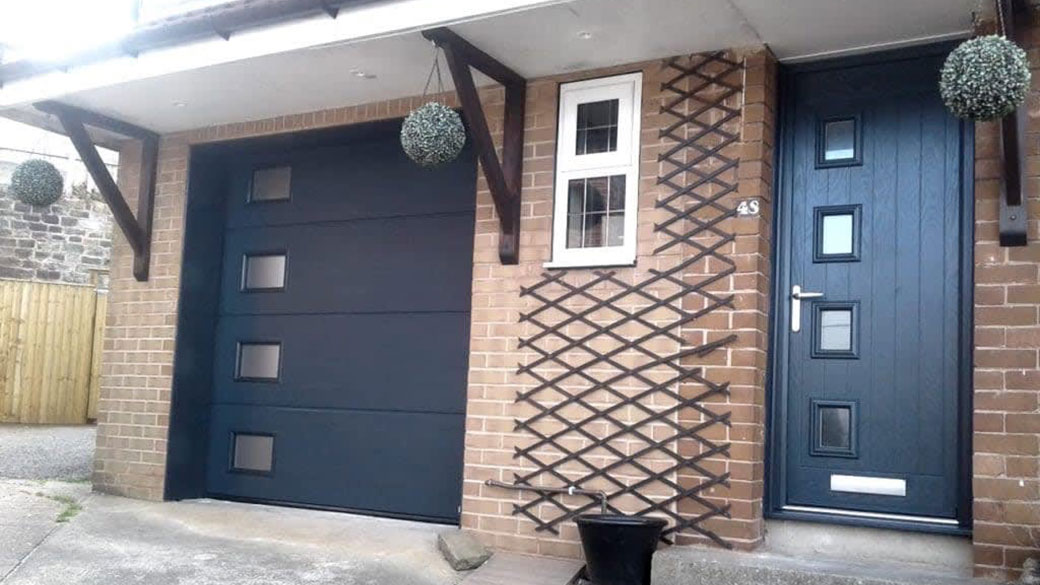
- Appearance: A wide range of composite door styles, colours and decorative glazing options helps you find a design that complements your home's kerb appeal.
- Cost: A composite door usually has a higher upfront cost than a uPVC alternative.

Security
Both uPVC and composite doors can offer good security, depending on their specification. Our Solidor doors include Avantis multi-point locking and a high-security cylinder with anti-pick, anti-drill, anti-bump and anti-snap protection as standard.
The frame, hinges and professional installation also affect how well a door protects against potential intruders. Compare the specifications of the complete door system for greater peace of mind.
Energy efficiency and insulation
Both uPVC and composite doors can help reduce heat loss when correctly specified and installed. The energy efficiency of composite doors benefits from their insulated construction and solid timber core, while our PVC-U panels feature a heat-reflective skin and high-density core.
Neither door type automatically guarantees lower energy bills. Thermal efficiency depends on the complete door specification, including its seals, glazing and installation. If you choose a door with glazed panels, check the available double glazing options and compare the thermal performance before deciding.
Maintenance and durability
Both options need little maintenance compared with traditional wooden doors. Clean them with warm soapy water and a soft cloth. Avoid abrasive cleaners and high-pressure washing, which could damage the door's surface.
Composite doors do not need regular painting or varnishing, while uPVC doors offer a straightforward, easy-care finish. Good installation and routine care help both door types stand the test of time and keep maintenance costs down, including during harsh weather conditions.
Cost and design
uPVC doors are generally the more affordable option. Composite doors cost more upfront, but offer a solid timber core and a wide range of styles, colour options and finishes. Your choice will depend on your budget, preferred appearance and the features you value most.
uPVC vs composite doors at a glance
|
Which door is the right choice for your home?
Frequently asked questions
Find your new door with NexGen Windows
We can help you compare uPVC and composite doors and find a design that suits your home. Our installations come with an insurance-backed, 10-year comprehensive guarantee. We also offer professional installation and free, no-obligation quotations. To discuss your options, call 01793 977030 or request a free, no-obligation quote from our team.
NexGen Windows & Doors
Double Glazed Windows Swindon | Doors | Conservatory
Nexgen Windows Limited is an Introducer Appointed Representative (Financial Services Register No. 936655) of Phoenix Financial Consultants Limited (Phoenix). Phoenix is a credit broker, not a lender. Phoenix is authorised and regulated by the Financial Conduct Authority (FRN: 539195), and offers finance from its panel of lenders. All finance subject to status and credit checks.