What causes condensation on double glazed windows?
  • NexGen Windows

    What causes condensation on double glazed windows?

    Condensation on double glazed windows forms when moisture in the air meets a cooler glass surface. It can appear on the inside of your windows because of high indoor humidity, on the outside because of cold weather conditions or between the panes when a sealed unit has failed. Knowing where it forms helps you understand whether you need to take action.
Email: This email address is being protected from spambots. You need JavaScript enabled to view it.
Telephone: 0800 121 4930
At NexGen Windows, we help homeowners across Swindon and the surrounding areas understand their glazing options. Here, we explain what causes condensation, how to reduce it and when it might be time to consider replacement windows.

What causes condensation on windows?
Condensation forms when warm air carrying water vapour cools against a cold surface. As the air cools, it reaches a point where it can no longer hold the same amount of moisture. Water droplets then collect on the glass. This temperature is known as the dew point. Everyday activities contribute to indoor humidity. Cooking, showering, drying clothes and even breathing release moisture into the air. During the colder months, keeping windows closed can reduce ventilation and allow humidity levels to rise. South Kesteven District Council estimates that the average UK household releases around 12 litres of moisture into the air each day. This can exceed 20 litres when clothes are dried indoors. Its condensation guidance offers practical advice for managing household moisture.
Condensation on the inside of windows
This is a common issue, particularly in bedrooms, kitchens and bathrooms. It occurs when moist indoor air meets cold glass, often first thing in the morning. Modern double glazing generally keeps the inner pane warmer than single glazing, reducing the likelihood of condensation. However, high humidity and limited air circulation can still cause moisture to collect on the glass. If condensation regularly forms inside your windows, improving ventilation and managing moisture levels should be your first steps. Persistent moisture can contribute to mould growth and damage window frames, seals and surrounding surfaces.

Condensation on the outside of the window

Exterior condensation is usually nothing to worry about. Energy-efficient double glazing reduces heat transfer from inside your home, allowing the outside pane to remain cold enough for moisture in the outdoor air to condense on its surface. This often happens on clear, still mornings and clears as weather conditions change or the sun warms the glass. According to the Energy Saving Trust, condensation on the outside of windows is not usually a problem and can indicate effective insulation.
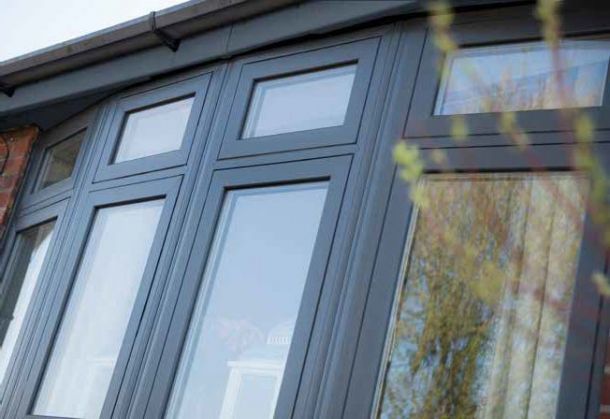
Condensation between the panes of glass

Condensation between the glass panes is different. A double glazed sealed unit contains two layers of glass separated by a spacer bar. The gap is typically filled with an insulating gas, such as argon, and the spacer incorporates a drying agent to help control moisture. If misting or water droplets appear between the panes and cannot be wiped away from either surface, moisture has probably entered the sealed unit. This usually indicates seal failure, which can reduce the glazing's thermal insulation and overall performance.

How can you reduce condensation?

We recommend starting with practical steps to reduce moisture and improve ventilation:
  1. Improve air circulation. Open windows briefly when conditions allow and keep trickle vents open if fitted.
  2. Use extractor fans. Run them while cooking or showering and leave them on afterwards for long enough to clear moist air.
  3. Control kitchen moisture. Cover pans with lids and keep the kitchen door closed while cooking.
  4. Dry clothes carefully. Dry laundry outdoors where possible. Otherwise, use a well-ventilated room and avoid placing wet clothes directly on radiators.
  5. Maintain a consistent indoor temperature. Keeping your home adequately heated helps prevent cold surfaces where condensation forms.
  6. Wipe away water droplets. Dry the glass and window frame to stop moisture sitting on the surfaces.
There is no single perfect solution for every home. The best approach depends on your ventilation, heating and indoor humidity levels. If condensation persists despite these steps, further investigation may be worthwhile.

When should you consider replacing double glazing?

Condensation on the room-facing glass does not automatically mean your windows are faulty. However, we recommend investigating these warning signs:
  • Misting or water trapped between the panes.
  • Draughts around the frame or damaged window seals.
  • Frames that are warped, deteriorating or difficult to open.
  • Rooms that remain uncomfortable despite adequate heating.
If the sealed unit has failed but the frames remain in good condition, replacing the glazing unit may be sufficient. Where the frames are also damaged or deteriorating, we can assess whether full window replacement would be a more suitable long-term solution.

Replacement windows from NexGen

If you need new windows, we offer several options for homes across Swindon and the surrounding areas. Our range includes uPVC windows, aluminium windows, flush windows, casement windows and tilt and turn windows. We also offer triple glazing, which can reduce heat loss further depending on the specification. We can help you compare the options and consider ventilation alongside thermal performance. Our window installations come with a 10-year guarantee.

Frequently asked questions
Is condensation on double glazed windows normal?
Yes, condensation on the room-facing glass is common, particularly during colder months when warm, moist air meets cold glass. It doesn't automatically mean your windows are faulty. Condensation between the panes is different and usually indicates that the sealed glazing unit has failed.
How do I stop condensation forming on my windows?
Focus on ventilation and moisture control. Use extractor fans, open windows briefly when appropriate, dry clothes outside where possible and maintain a consistent indoor temperature. Keep trickle vents open if fitted and wipe away excess water.
What does condensation between the panes mean?
It usually means moisture has entered the sealed unit because its edge seal has failed. The moisture is trapped between the glass layers, so wiping the inside or outside of the window will not remove it. A replacement sealed unit may be needed.
Is condensation a sign of window failure?
Not always. Condensation on the inside or outside of the glass can occur under normal conditions. Misting between the panes usually indicates a failed sealed unit, although the surrounding frame may still be in good condition.

Speak to our Swindon team

If you're experiencing condensation issues and aren't sure what's causing them, we're happy to help. With over 40 years of trade experience, we can talk you through your options and help you decide whether your windows need attention. Contact our team, call us on 01793 977030 or visit our showroom at 9 Clive Parade, Swindon SN2 1AJ. You can also request a free quote.

NexGen Windows & Doors

Double Glazed Windows Swindon | Doors | Conservatory

Email Direct

This email address is being protected from spambots. You need JavaScript enabled to view it.

Speak to us

Telephone: 01793 977030

Social Media


Nexgen Windows Limited is an Introducer Appointed Representative (Financial Services Register No. 936655) of Phoenix Financial Consultants Limited (Phoenix). Phoenix is a credit broker, not a lender. Phoenix is authorised and regulated by the Financial Conduct Authority (FRN: 539195), and offers finance from its panel of lenders. All finance subject to status and credit checks.